Summary — the conclusion first
I weighed four similar tools on GitHub and picked one.
The interesting part is why I skipped the others. I dropped one with 84k stars, and I trusted a license badge and got it wrong.
Bottom line: stars are popularity, not fit. And don’t take a badge at face value — I did, and I was wrong.
Stars are popularity, not “fit”
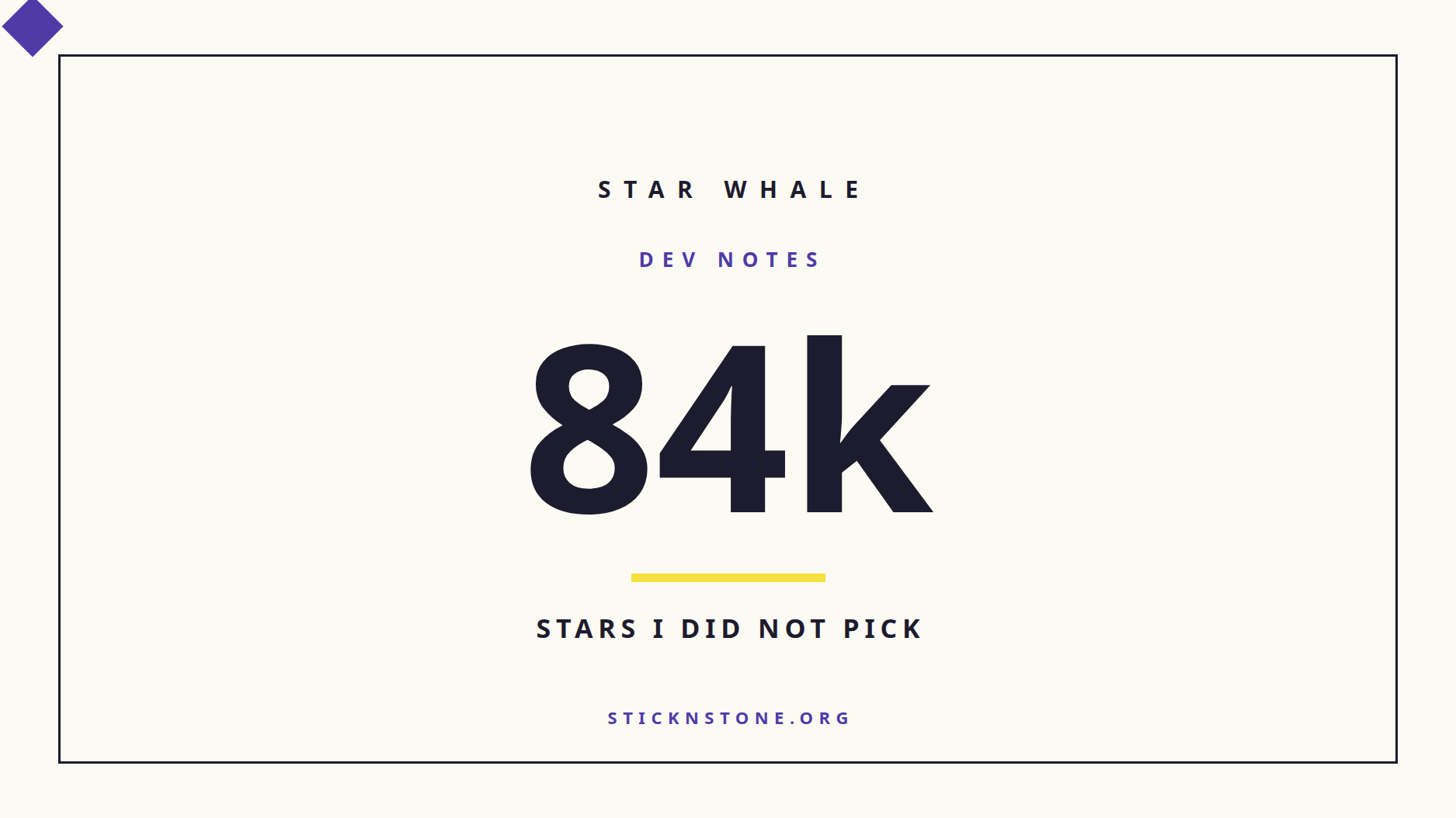
Did I pick the one with the most stars? No. I skipped a tool with over 84k stars.
It was a multi-agent trading framework (TradingAgents, 84k stars). Powerful. But live trading means real money, and it wasn’t what I needed right now.
A restaurant with 50,000 reviews is like that — not proof it fits my taste. Stars signal “many people look,” not “this fits me.”
I trusted a badge and got it wrong — the license story
Here’s where I was wrong. I’ll say it plainly.
I’d noted one finance terminal (FinceptTerminal) as an “AGPL license trap.” But when I checked, it wasn’t AGPL. It was NOASSERTION — GitHub couldn’t match it to a standard license.
NOASSERTION doesn’t mean “bad.” It means “the label isn’t standard, so read it yourself.” In fact, Anthropic’s own security tool (defending-harness) was also NOASSERTION.
Judge by the badge alone and you’ll be wrong. I nearly called a fine project a trap based on the wrapper. A badge is a hypothesis until you read it.
So the test isn’t “is it good?” but “does it fit?”
I’m not looking for a good tool. I’m looking for one that fits my stack, my needs, my risk.
| Tool | Stars | License | Why I picked / skipped |
|---|---|---|---|
| HyperFrames | 26k | Apache-2.0 | ✅ picked — blog to video, used it right away |
| TradingAgents | 84k | Apache-2.0 | live-trading risk + not my need now → parked |
| FinceptTerminal | 26k | NOASSERTION | read the license yourself + C++ (not my stack) + whole app when I needed parts |
| defending-harness | 5k | NOASSERTION | good, but a “customize-it-yourself reference,” not plug-and-play |
They’re all good tools. Just one fit me right now.
When someone says “they’re all great,” be suspicious
I first handed this evaluation to an AI assistant. It said all four were great.
I asked: “You’re saying all four are worth adopting?” Only then did an honest ranking appear.
Anyone — an AI or a reviewer — leans toward praise when you hand them an evaluation. So change the question. Not “what’s good?” but “what should I drop?”
One line
Stars, badges, an AI’s first answer — all just signals. Check it yourself, and pick by “does it fit?” not “is it good?”
What I checked
The numbers here aren’t guesses; I confirmed them directly.
- Stars, license, and language for each repo confirmed via the GitHub API (2026-06)
- NOASSERTION = GitHub couldn’t identify a standard SPDX license (non-standard/custom) → read the LICENSE file yourself
Leave a Reply