-
You Do Not Neutralize Mercury
Metallic mercury has no pH. Sulfidation, amalgamation and complexation are different mechanisms, and none removes mercury. Plus the vapor density 7 misreading.
-
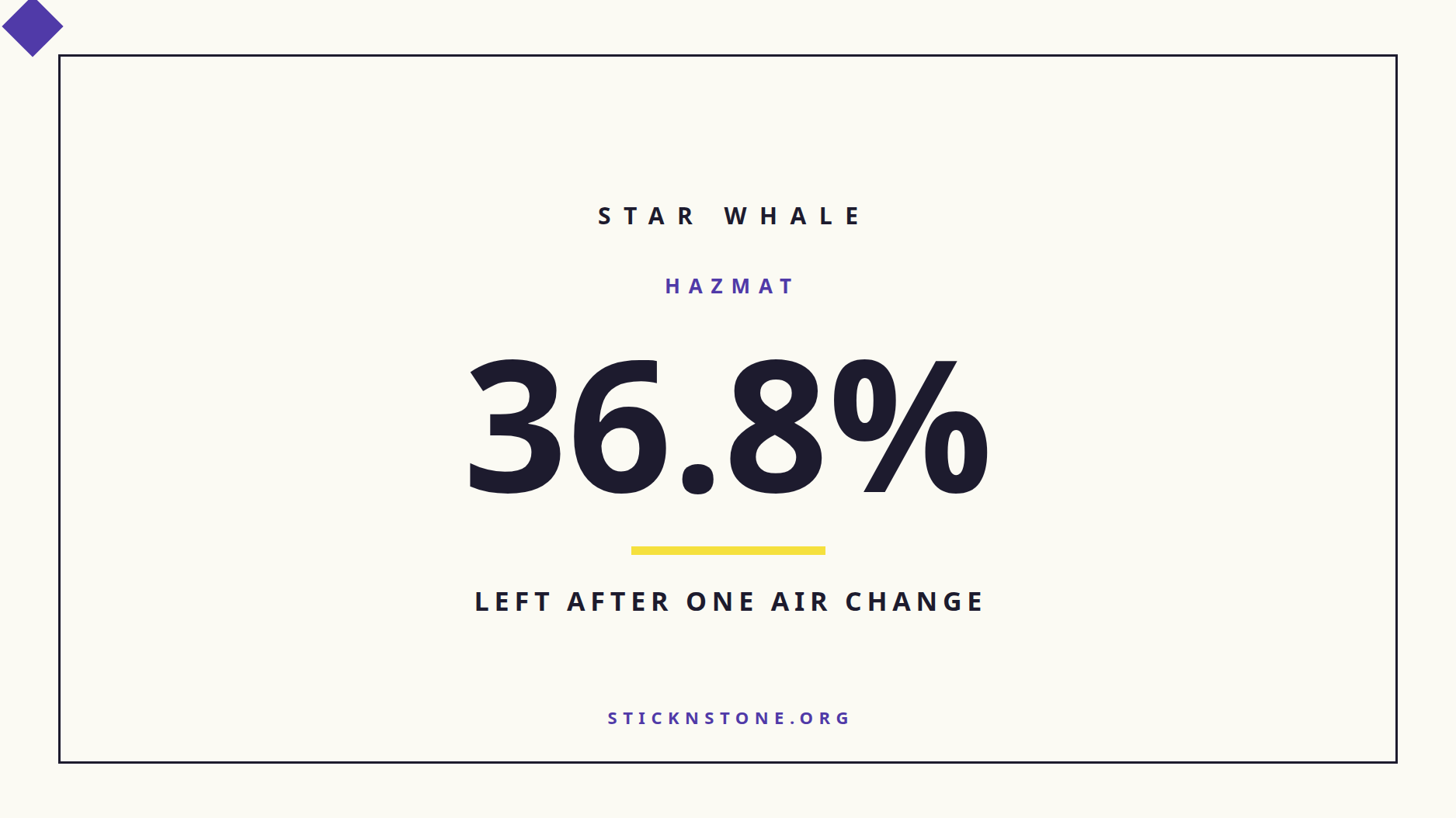
Why 36.8% Remains After One Air Change
Move a whole room volume of air and 36.8 percent of the contaminant remains. Perfect mixing is why, and slicing it finely produces the constant e.
-
Where the 132 in ASTM E662 Comes From
The 132 in the smoke density formula is not a constant of smoke but a geometric factor from chamber dimensions — and why the log is there.
-
Toxicity Is Not Risk: What VX Teaches
Toxicity is a property; risk is an outcome. What low vapor hazard really means for VX, how plumes and stability work, and why AEGLs are time-based.
-
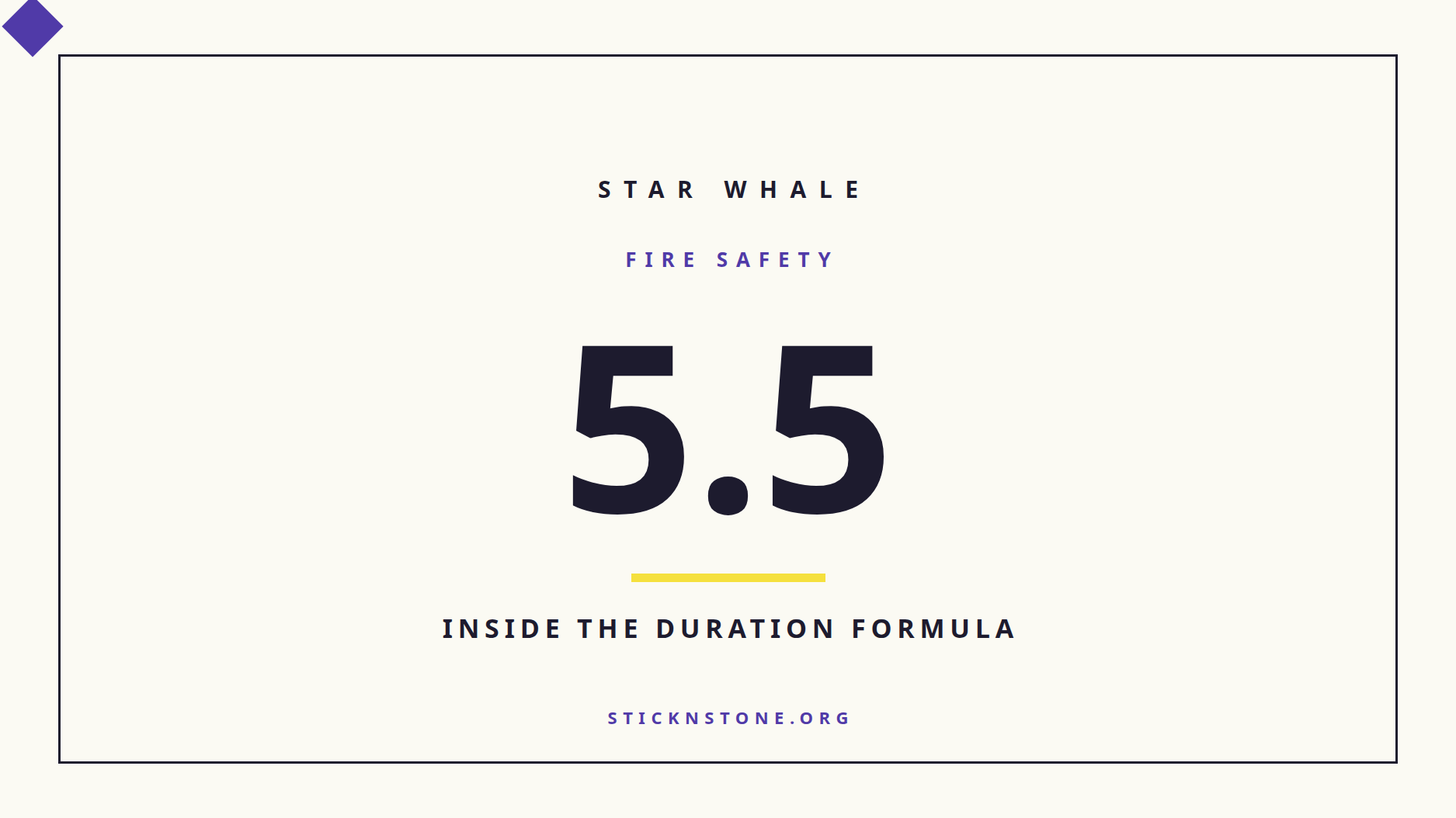
The 5.5 in the Fire Duration Formula
The 5.5 is not part of the ventilation factor. It converts it into a burning rate. The formula skeleton, a unit check, and why 5.5 and 0.09 are…
-
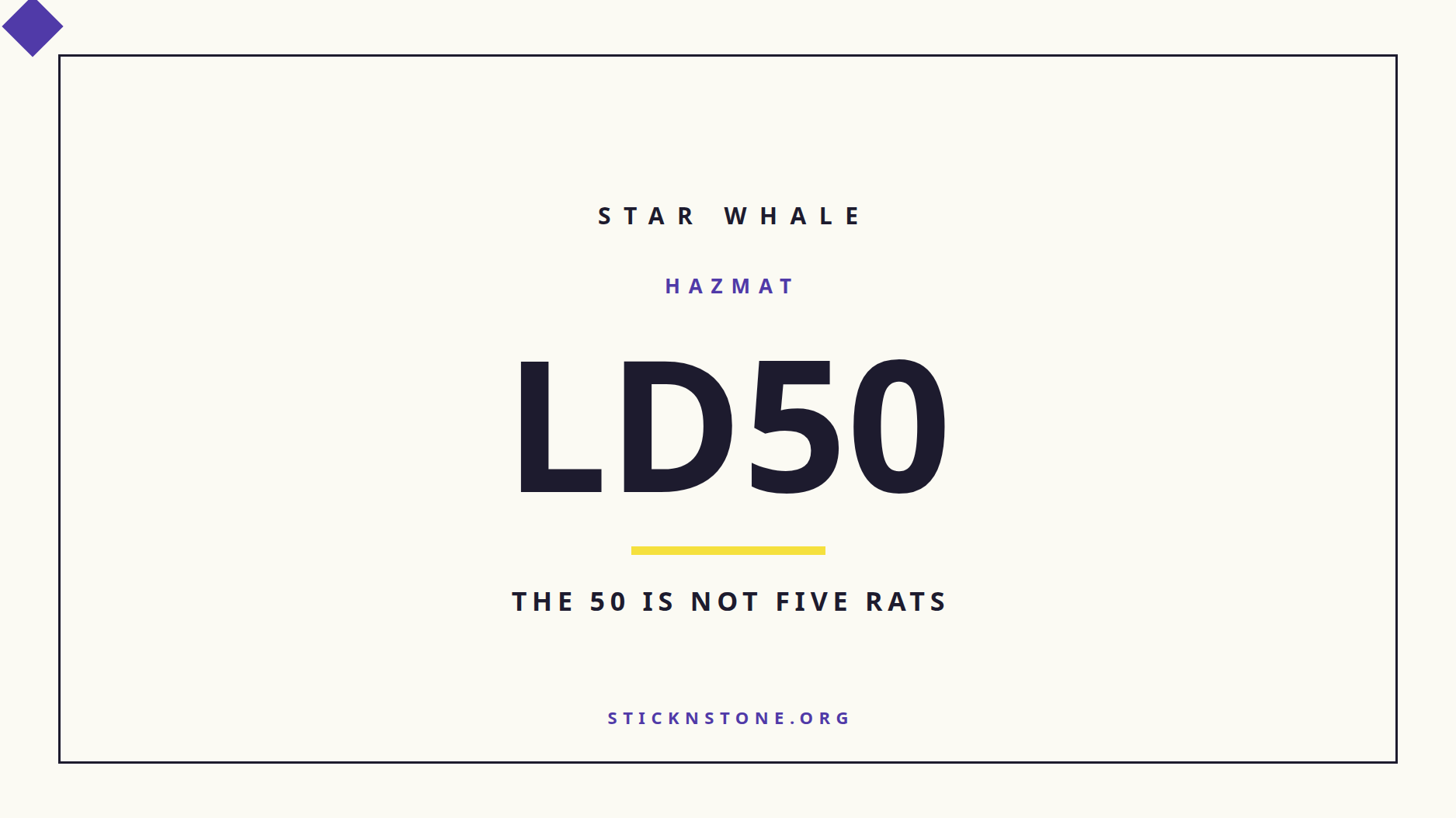
The 50 in LD50 Is Not Five Rats
The 50 in LD50 is a statistical probability, not an animal count. How LC50 differs, what each OECD guideline does, and how UN class and packing group work.
-

Level C Is an Ensemble, Not a Suit
Level C is not a garment certification but an ensemble level. Levels A-D versus Types 1-6, penetration versus permeation, and how to read breakthrough time.
-
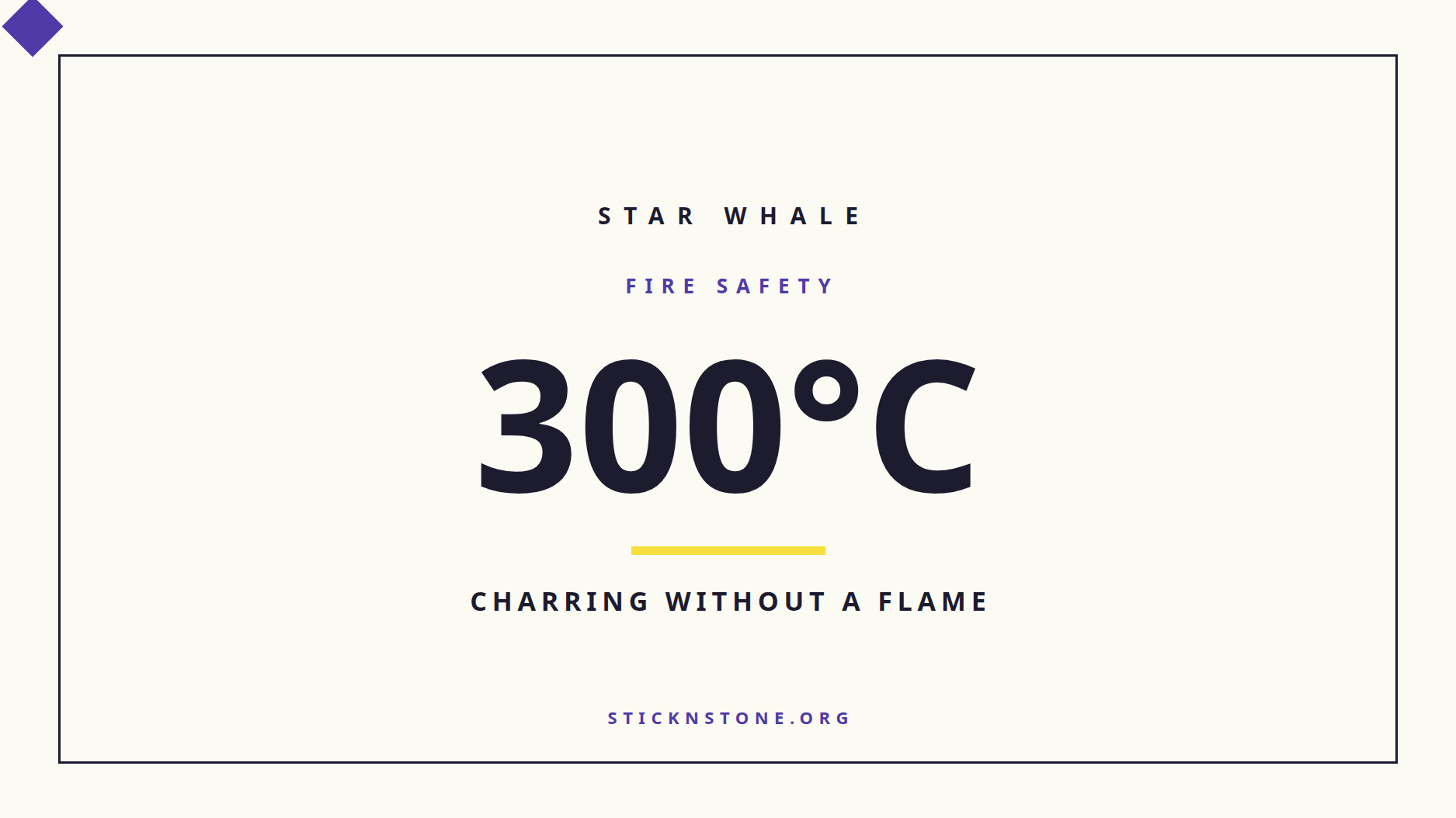
Pyrolysis: Charring Without a Flame
Charring is not burning – it is what heat leaves behind. Why insulation chars without flame, why char survives in oxygen, and typical decomposition ranges.
-

Defender Flagged a Threat: Detection Date ≠ Download Date
Defender’s detection date is not when a file arrived or ran — how to compare timestamps and tell a real breach from old junk in 5 minutes.
-
Work Glove Selection by Industry: Construction to Food
Define the hazard and the grade follows. This is the decision terminus of the series — one table for construction, automotive, glass, welding, chemical, electrical and food work,…