-

2.5 Months With an AI Pair: $5,819 at API Prices — and 95% of Tokens Were Cache
Reading local logs with ccusage: 5.42B tokens over 2.5 months, ~$5,819 at API list price. But 95% was cache — the real cost structure of working with AI…
-
How to Read NFPA Standards for Free: 5 Legal Routes, from Free Access to Draft Reports
Five legal ways to read NFPA standards for free — Free Access, TIAs, draft reports, incorporated editions, industry blogs — plus how we automated edition-change tracking.
-
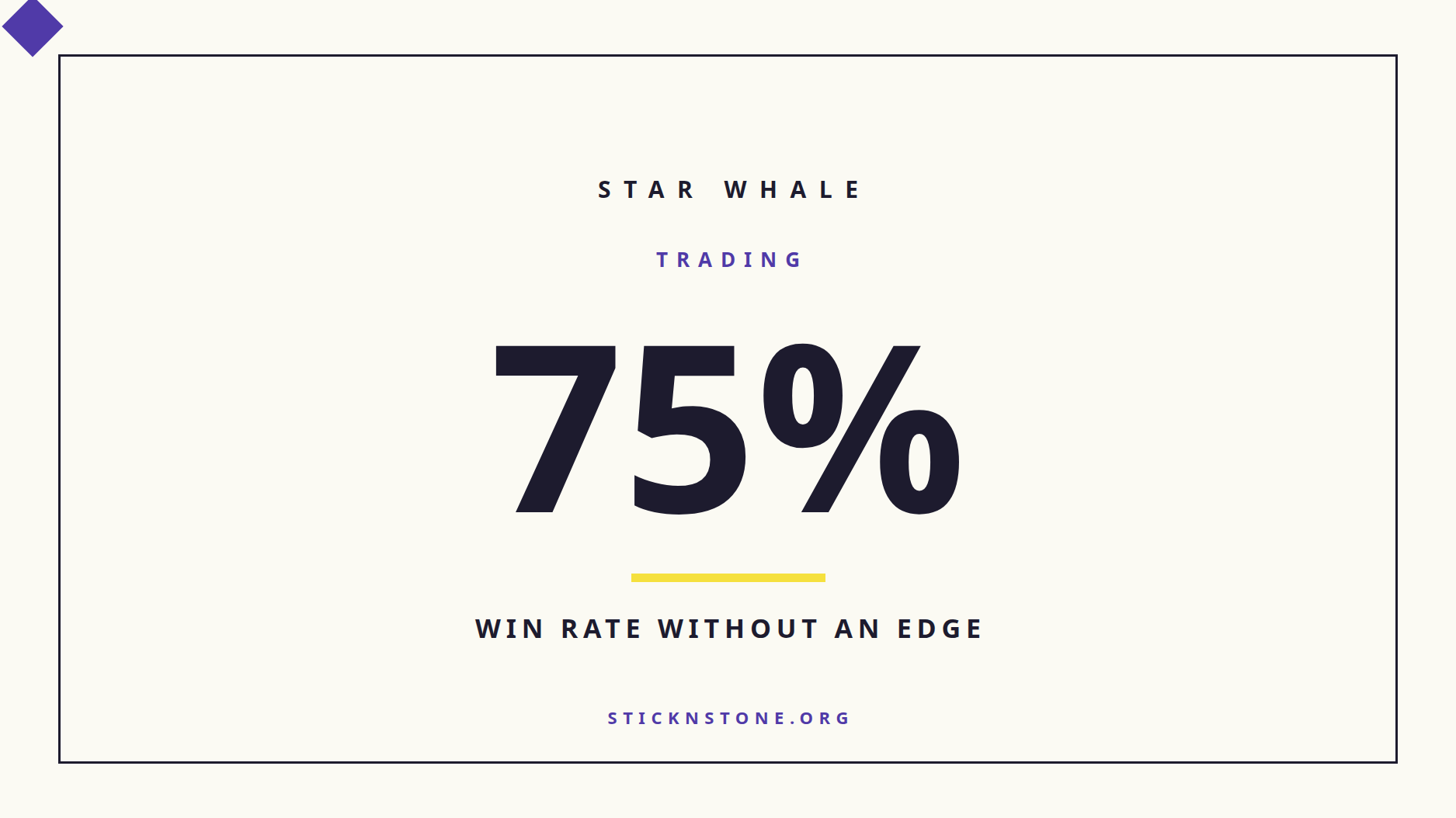
I Ran a 75% Win-Rate Strategy on 6 Assets — The Edge Only Existed in Stock Indices, and Even There It Did Not Pass
Same RSI(2) strategy on Bitcoin, S&P 500, Nasdaq, EUR/USD, gold, and oil over 33 years of data. Indices: 0.3% probability of luck. Forex and oil: a coin flip.…
-
I Verified Bitcoin “This Chart Looks Just Like 2020” With Code — History Shows Both Rebounds and Crashes
I reproduced a published 57% win-rate BTC strategy: its edge died after publication. Building the “just like 2020” overlay without cherry-picking shows both rebound and crash precedents.
-
Claude Fable 5 Explained — vs Opus and Sonnet, and What Changed in Claude Code
Anthropic shipped its first public Mythos-class model. Risky questions get handed to Opus 4.8 instead of refused; Claude Code gained /goal. Double the price, 30% more tokens —…
-
What Is a Schema — Why Databases and Your Brain Use the Same Word
A schema is a frame that defines what shape data should take — a table blueprint in databases, the structure of knowledge in psychology. The frame must exist…
-
How to Pick Open-Source Tools by Fit — I Skipped an 84k-Star One
I weighed four similar tools and picked one. I dropped an 84k-star tool, and I trusted a license badge and got it wrong. Stars, badges, an AI’s first…
-
I Built a Blog Publishing Skill — and This Post Is Its First Output
Publishing a post took 11 manual steps. So I built a tool to do it in one shot — and learned that building is easy, shipping is hard.…
-
Yak Shaving, Idempotency, Dogfooding, Dead Man’s Switch — 4 Dev Terms That Work Outside Code
Yak shaving, idempotency, dogfooding — three dev terms that work outside code. Getting lured into side-quests, repeating an action safely, and using your own thing before shipping.
-
No Open Ports — Reaching My Server from Anywhere with Tailscale
How to securely reach your home server from anywhere. A self-hosting guide using Tailscale to bundle your own devices into one encrypted private network and connect remote desktop…